Plus Ça Change – August 8, 2026
In 1836, the good white Americans of New Orleans instituted a secret police to keep an eye on those dangerous people of color. They might be eating the pets.
It’s an intriguing historical tidbit. In 1836 The Louisiana legislature divided the city of New Orleans into three municipalities. There was still a mayor, but each municipality had its own council of aldermen, and a chief executive called a “recorder.” The quiet reason behind this was, the Americans wanted to run their part of town, and there were too many French people to win an election. So by 1836 Americans had enough votes in the state legislature to take over part of the city.
For the most part, the municipalities did whatever they wanted, without regard to the others. The money was mostly in the Second, which was the American district uptown. On June 26, 1836, the council for the Second Municipality created the office of High Constable, who was directed to employ intelligent and discrete men to keep an eye on the free people of color. They established a secret police force.
This kind of oppression fits perfectly into the narrative, My antagonist, a fictional character, is behind all this, but it really happened. I have it set up so that he inveigles the recorders of the first and second municipalities to do his bidding and extend the secret police into the First Municipality. This will all pay dividends downstream in my narrative.
So, the scene is in Thomas Kelty Smith’s library. We were there in Laveaux: Dancer, so I know what the room looks like. But what’s going to happen?
- are all three recorders present, or just two
- is it cloudy or sunny
- is it morning or afternoon
- do they drink coffee, lemonade, or bourbon
- are the recorders present at the start of the scene, or do they arrive
In effect, there is a universe of permutations, and I need to pick one. So I did. Just two, cloudy, morning, coffee, and already there. I didn’t like it. That the city is divided became an unpleasant exposition of telling, not showing.
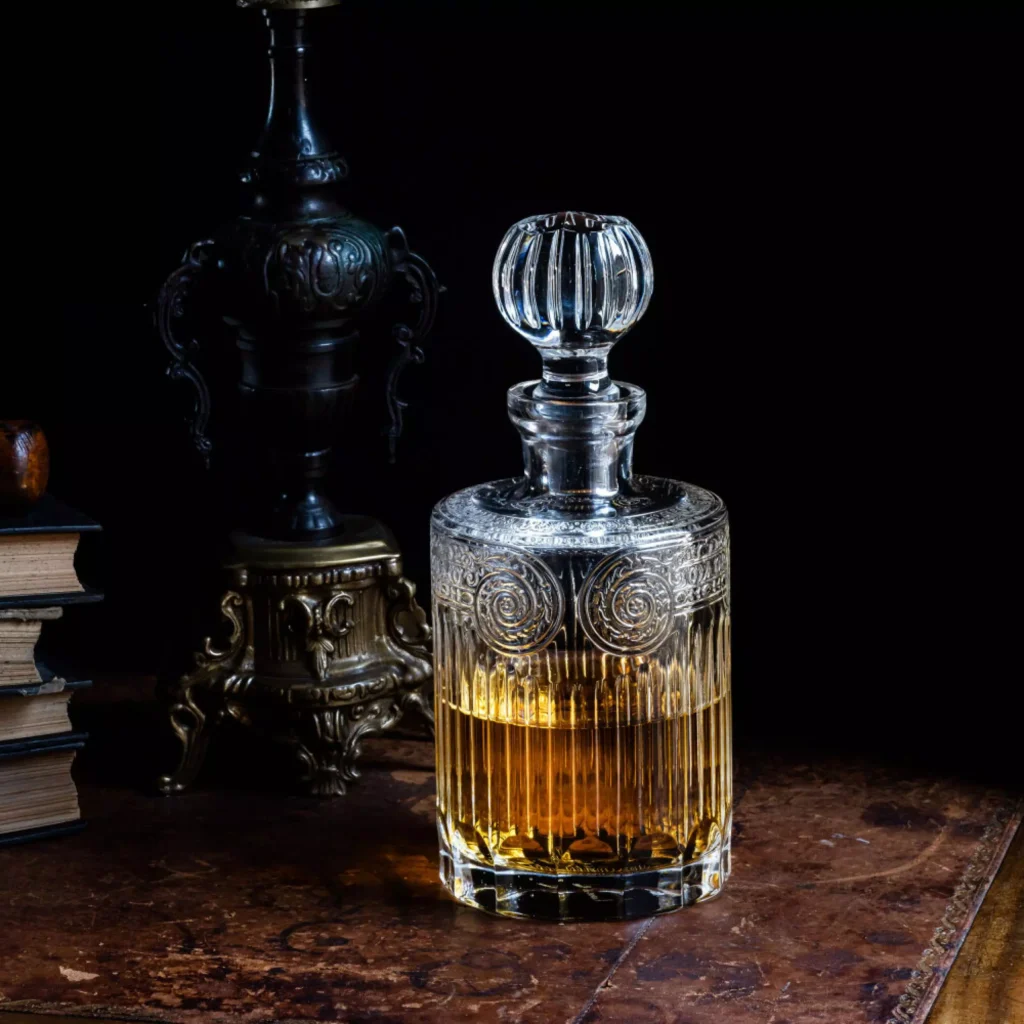
So let’s try sunny, afternoon, bourbon, and I’d have them arrive. This gave me the chance for Smith to muse on his ultimate success dividing the city before his “guests” arrive. “Sunny” and “afternoon” gave me a great little bit of blocking: sunlight through the window hitting a cut crystal decanter. But then, do the two recorders arrive together or separately? As I contemplated how that would work, either way, I thought, Nah, I liked that even less. All that musing was not amusing.
So I decided sunny, afternoon, bourbon, and the two are already there. In this I need to fix the expository shit, make the partition of the city part of the organic scene, the dialog, the circumstance, it just is. This means I want to revert to some of my original, the opening part of the scene with the two politicians in Smith’s library. The problem was, I’d already rewritten it the other way. Shit.
Automatic backups to the rescue. I hauled the last version of “there at the start” out of my backup. Put it beside the current “arriving after the start” which had some very nice improvements. I put the two side by side and rewrote the chapter, using elements from both earlier versions as I fixed the exposition problems.
I’m happy with #3. In addition to that, I decided this is the place where I’ll introduce a new character, George, who will be central in the murder that comes at the end of the novel. That worked well. Now to run it through the polishing process.