Plus Ça Change – July 15, 2026
As noted in Healing the Plot, I found myself going down a rathole of boring real estate shenanigans. So I went back to basics and tossed most of those. I replotted, focusing on her healing skills in the face of the first cholera epidemic in New Orleans in 1832, part of a global pandemic. So, two weeks later, that arc is done. The real estate is set up, but more importantly I’ve got three tightly-knit chapters on cholera, and how Marie works to heal people.
The epidemic was real. It was intense and vicious. The first case appeared on the waterfront on Oct 25, 1832, on a steamboat down from Natchez. By Nov 14, a local wrote to a friend that the risk was over. It took a very few days for the contagion to spread. In two weeks, 10% of the city died, 5,000 people. Bodies were stacked up against the cemetery walls, to be buried in mass graves (when the city could find gravediggers). I found a period journal, written by a traveler who happened to be on that steamboat, who got a job digging the graves, and recounts stacking the bodies of children between the adults for better density. Yeah, it was that horrible.
So into that horror we go. I’ve got history, and Marie, talking to me. For real her legend is based on two main features of her character, her skill as a healer, and her kindness. This arc gives me that in spades.
The medical research started a long while back, in history and science journals. The modern treatment for cholera is founded on rice-based oral rehydration. There are recipes. With a bit of digging into folk medicine, what she might do appears: cinnamon; nutmeg; sugar; salt. It’s all quite real. And, from my perspective joy of joys, I can track the folk recipe to the Senegambia region of Africa, which is where her people have roots. Instead of rice, they used the tuber of a sedge that also grows in Louisiana, but rice is a lot more common and a functional substitute.
So we have African roots, her empirical understanding of plants (approaching the mystical in the eyes of us normals), and something that works.
On the other side, the “modern” medical establishment’s use of mercury chloride, bleeding to balance the humours, and purgatives on people who were already shitting themselves to death. Which gives me contention with the white medical establishment who see her as nothing but a stupid woman of color.
She does her healing in the neighborhood, among poor and rich, locals and immigrants, because cholera takes everyone. Her Irish doctor uncle Josias takes her to the hospital, because he knows her skills and actually wants to save lives. Marie has her “why have you forsaken me” moment on the way home. All she wants to do is go home, but people are dying, and she knows how to save them.
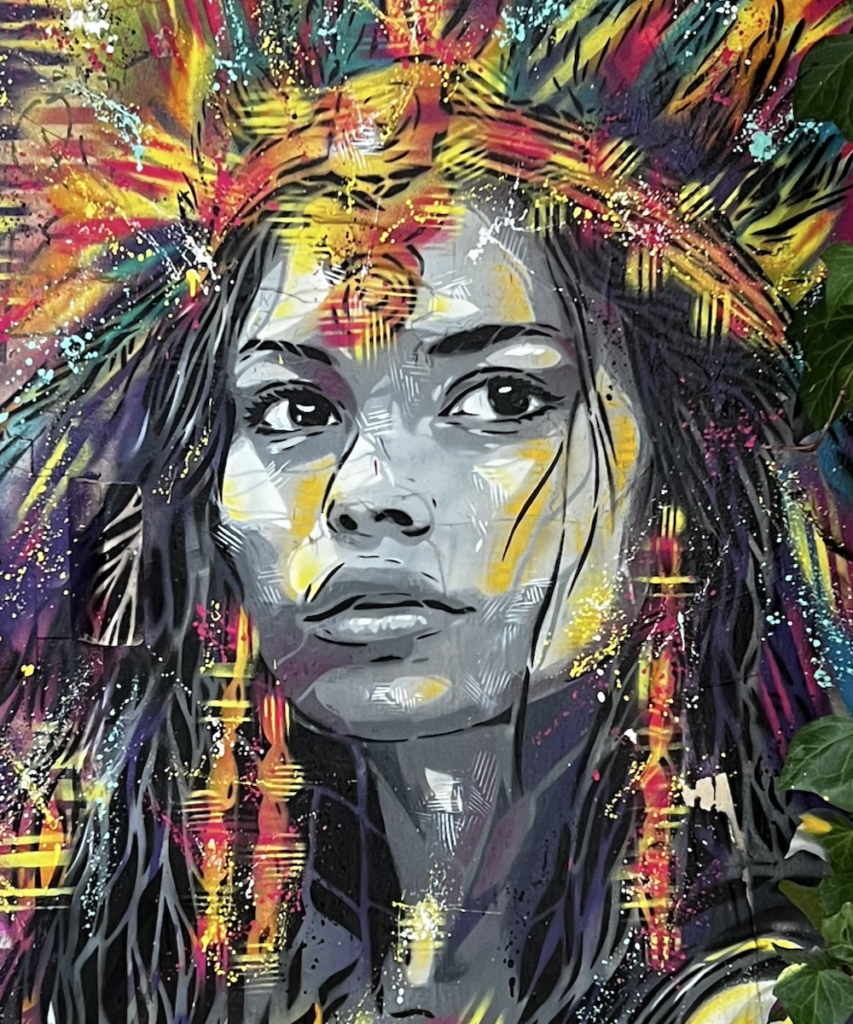
Then the second half of her legend appears, Marie as the magic woman.
I don’t plan to go there too much. My novel is not bodice-ripping paranormal fantasy, Marie is real. But, I have a chance, because her aunt Manette asks her to save her arch-enemy, her cousin René–a crippled, rich, white planter, the antagonist in Laveaux: Dancer. At the plantation, the Black overseer knows who she is and how she cursed the Master, blowing him up on a steamboat. She denies it, she didn’t do it, it was an accident. But there is no such thing as an accident in her belief system. I can leave just enough doubt in the superstitious minds of the plantation slaves that maybe, just maybe, she knows the conjure that could kill the man.
And then, I get the unexpected third half (yes, I know) of her legend.
She saves her enemy from death. That scene is complete fiction, but this is the kind of person she was, for real. I dragged her onto René’s plantation because it’s a great confrontation, even if he’s comatose. In fact, he is so full of hatred that it CAN’T happen unless he’s comatose. It would be SOOOO easy for her to walk away and let the bastard die. She doesn’t.
“Truth” with a capital T. This is why she’s legend. You don’t cross this woman, ever. But she has a heart that would burst before giving up on anyone.