Plus Ça Change – September 21, 2026
FACT
Marie Laveaux was illiterate. There is no doubt, from historical records, that she believed in education. She paid for the education of an orphan boy named François. That won’t enter the narrative, but it is the historical fact behind much of the fiction I’m writing today.
Free people of color believed in educating their children, boys and girls, but the only choice was private academies. Religious organizations provided schools for orphans. There are public schools in New Orleans in 1844. Whites only of course. Black people weren’t segregated, they had no public option.
In 1838, Marie gave birth to Archange Glapion, who for this chapter is six years old and in need of going to school. Ludger Boguille is historic, he had an academy for boys, opened in 1840. Eliza is a slave purchased by Marie and Christophe years before. She lived with the family for decades.
FICTION
Eliza was rescued by Marie, and is Marie’s chosen daughter. She has a son Jude, born the day before Archange. So they are twin sons of different mothers.
Ludger is set up as a family friend, one of Marie’s father’s followers. He is Eliza’s tutor years before, and when it becomes illegal to teach a slave to read, teaches her anyway. For real he opened his private academy for boys in 1840. That’s where Marie and Eliza go to enroll their boys.
Jude takes after his mom, extremely smart. And this is where facts float around in my head as I try to figure out the story.
Initially, I thought this would just be Marie and Ludger. Nope, I need Eliza there. Which makes sense, two boys, two moms, and both know Ludger. In the end, it turns out Eliza has much more compelling dialog with Ludger about her son, because he is gifted. He already knows how to read. Mom is a whiz with languages, and he has that skill. And how do we get this across in some organic fashion, and not, “As you know, Bob…”
So I wanted a story Eliza could tell about Jude. I thought, he’s six, he asks an innocent question. So all this resolves in my head to, what is Jude’s question about? I want it to reveal his intelligence, but also speak to the oppression he is already experiencing, at age six. This will feed into his character development downstream. I have a plot, so I know what’s coming, and what his character will do.
I thought manumission laws; I thought marriage laws; I thought inheritance rules. Nope. A six year old, a slave boy, asks his slave mom, “Why don’t they want slaves to read?” This is spot-on perfect. It is a totally innocent question.
Why would he ask this question? Mom (Eliza) was faced with laws making it illegal for her to learn how to read. Ludger taught her anyway. Schooling is an issue in the house, the boys are six. Jude knows mom’s story. Hence the question.
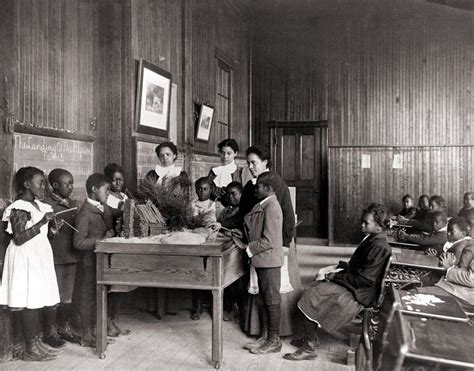
Ludger (for real) uses the Socratic method. If a student asks a question, help the student figure out the answer. He was Eliza’s teacher. Jude asks his question, and his mom says, “You tell me.” So he asks Christophe, who points him at books and sources. Jude reads the Spanish còdigo, where a master must educate the slave. He reads the French Code Noir which is filled with prohibitions, but teaching a slave to read is NOT one of them. He reads the legislation that makes it illegal to teach a slave to read, the law that passed that affected his mother.
He’s reading “adult” materials, the law, in three languages, at six. And yes, this is not normal, but Jude is not a normal boy. He’s genius-level smart. Smarter than his mom, who’s intelligence challenged Ludger fifteen years before. And now she’s giving Ludger the next generation, the next challenge.
I am happy. 🙂 The example feeds on his teaching style, ties in to systemic oppression by white Americans, hearkens back to the time when Ludger was Eliza’s teacher, and the risks that STILL apply to teaching her son, a slave.
Ludger, for real, believed in education. He taught slave children in violation of the law, and he’s about to do it again. And I get a powerful dynamic tension embedded deep within this novel.
“Is there any idea more dangerous than educating slaves?”
and
“Education is dangerous to the master, and can do naught but good for the slave.”